
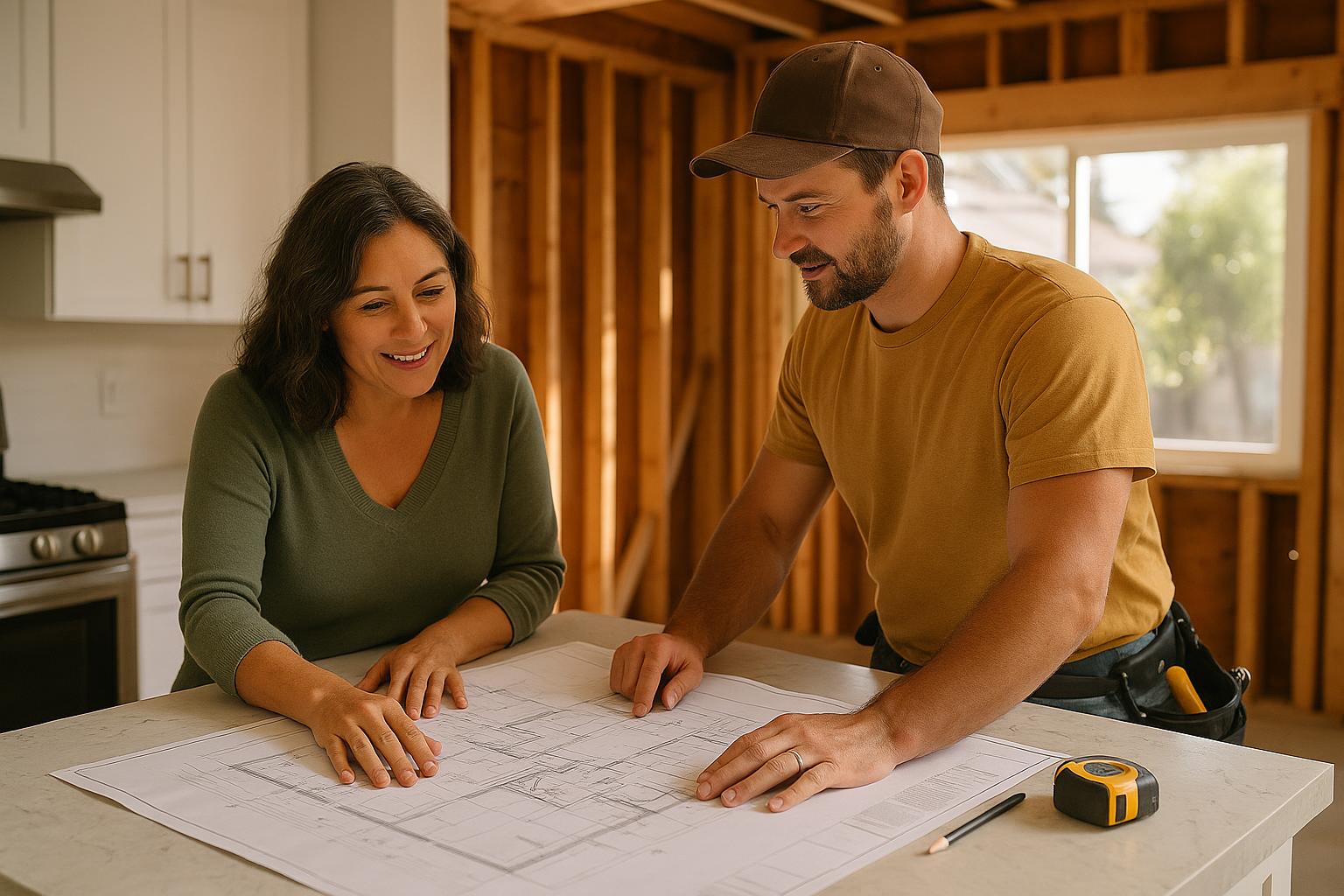
The Permit Question Every San Diego Homeowner Asks
You've been dreaming about that new kitchen, a bathroom overhaul, or maybe a room addition that finally gives your family the space it needs. But before you start picking out tile samples and cabinet finishes, there's one critical question you need to answer: does your project require a building permit?
It's one of the most common questions we hear at San Diego Home Extensions, and for good reason. The permitting process can feel confusing, especially if you've never remodeled before. But understanding when permits are required — and why they matter — can save you thousands of dollars, prevent legal headaches, and protect your home's value for years to come.
Which Remodeling Projects Require a Permit in San Diego?
The City of San Diego's Development Services Department oversees building permits, and the general rule is straightforward: if you're changing the structure, layout, or major systems of your home, you almost certainly need a permit.
Projects That Typically Require a Permit
- Kitchen remodeling — especially when it involves moving plumbing, electrical, or gas lines, removing walls, or changing the floor plan
- Bathroom renovations — any work that alters plumbing or electrical systems
- Room additions — adding square footage to your home always requires permits and plan review
- ADU construction — accessory dwelling units have their own permitting pathway in San Diego, with specific requirements for setbacks, size, and utilities
- Whole home remodeling — large-scale renovations that touch structural elements, HVAC, plumbing, or electrical
- Outdoor living spaces — decks, patio covers, outdoor kitchens, and pergolas often require permits depending on size and attachment to the home
- Window and door replacements — when changing the size of openings or adding new ones
- Reroofing — full roof replacements typically need a permit
Projects That Usually Don't Require a Permit
- Cosmetic updates like painting, new flooring, or replacing countertops without altering the layout
- Cabinet refacing (when no plumbing or electrical is moved)
- Minor repairs and maintenance
- Replacing fixtures in the same location without modifying supply or drain lines
When in doubt, it's always better to check. A quick call to the Development Services Department or a conversation with an experienced San Diego remodeling contractor can clarify things before you start work.
Why You Should Never Skip the Permit Process
We understand the temptation. Permits take time, they cost money, and the bureaucratic process isn't exactly thrilling. But here's why cutting corners on permits is one of the worst decisions a homeowner can make:
1. You Could Face Fines and Forced Removal
The City of San Diego can issue stop-work orders, levy fines, and even require you to tear out unpermitted work. Imagine completing a beautiful room addition only to be told you need to demolish it. It happens more often than you'd think.
2. It Can Derail a Home Sale
When you sell your home, unpermitted work shows up during inspections and title searches. Buyers and their lenders will flag discrepancies between your home's permitted square footage and its actual layout. This can delay or even kill a sale, and it often forces sellers to either obtain retroactive permits (which are more expensive and complicated) or reduce the sale price significantly.
3. Insurance May Not Cover Unpermitted Work
If something goes wrong — a fire caused by faulty wiring, water damage from improperly installed plumbing — your homeowner's insurance may deny the claim if the work wasn't permitted and inspected. That's a risk no homeowner should take.
4. Safety Isn't Optional
Permits exist because inspections exist. Those inspections verify that your home's structural integrity, electrical systems, plumbing, and fire safety meet current building codes. These codes are designed to keep your family safe. A remodel might look beautiful on the surface, but hidden problems behind the walls can be dangerous.
How the Permitting Process Works in San Diego
Here's a simplified overview of what to expect when your remodeling project requires a permit:
- Plan preparation: Depending on the scope of work, you may need architectural drawings or engineering plans. For larger projects like room additions or ADUs, detailed plans are required.
- Application submission: Plans are submitted to the City of San Diego's Development Services Department, either online through the city's portal or in person.
- Plan review: City reviewers check your plans for compliance with building codes, zoning regulations, and other requirements. Simple projects may qualify for over-the-counter approval, while complex ones go through a more detailed review cycle.
- Permit issuance: Once approved, you receive your building permit and construction can begin.
- Inspections: At various stages of construction, city inspectors visit the site to verify the work matches the approved plans and meets code requirements.
- Final sign-off: After all inspections pass, the permit is finalized and the work is officially on record.
The timeline varies. Simple permits for a bathroom renovation in Pacific Beach might be approved in a few days, while a full ADU build in La Jolla could take several weeks for plan review. Neighborhoods with historic overlays or HOA requirements, common in areas like Mission Beach and Ocean Beach, may add additional review layers.
How a Good Contractor Makes Permits Painless
One of the biggest advantages of working with an experienced remodeling contractor is that they handle the permitting process for you. At San Diego Home Extensions, we manage permits as a standard part of every project. That means:
- We know exactly which permits your project requires
- We prepare or coordinate all necessary plans and documentation
- We submit applications and communicate with the city on your behalf
- We schedule and attend all required inspections
- We make sure everything is properly closed out when the project is complete
Our familiarity with San Diego's permitting process — from Clairemont to the coast — means fewer delays and fewer surprises. We've built relationships with local inspectors and understand the specific requirements that apply to different neighborhoods across the city.
A Word About ADU Permits in San Diego
ADU construction has exploded in San Diego over the past few years, thanks to California's progressive ADU legislation. But the permitting process for accessory dwelling units has its own unique requirements, including specific rules around size limits, setback requirements, parking, and utility connections.
San Diego has streamlined its ADU permitting process compared to many other California cities, but it's still essential to work with a contractor who understands the current regulations. Rules have changed multiple times in recent years, and what applied two years ago may not apply today.
The Bottom Line: Permits Protect Your Investment
Your home is likely the most valuable asset you own. A remodeling project should increase that value, not put it at risk. Building permits are not just bureaucratic hurdles — they're safeguards that protect your safety, your investment, and your peace of mind.
If you're planning a remodel anywhere in San Diego and want to make sure everything is done right from day one, reach out to San Diego Home Extensions. We'll walk you through the entire process, handle the paperwork, and deliver results you can be proud of — fully permitted and built to last.